Keto Macro Calculator Guide: How to Think About Carbs, Protein, and Fat
A practical guide to using a keto macro calculator and understanding net carbs, protein, fat, calories, and sustainable tracking habits.
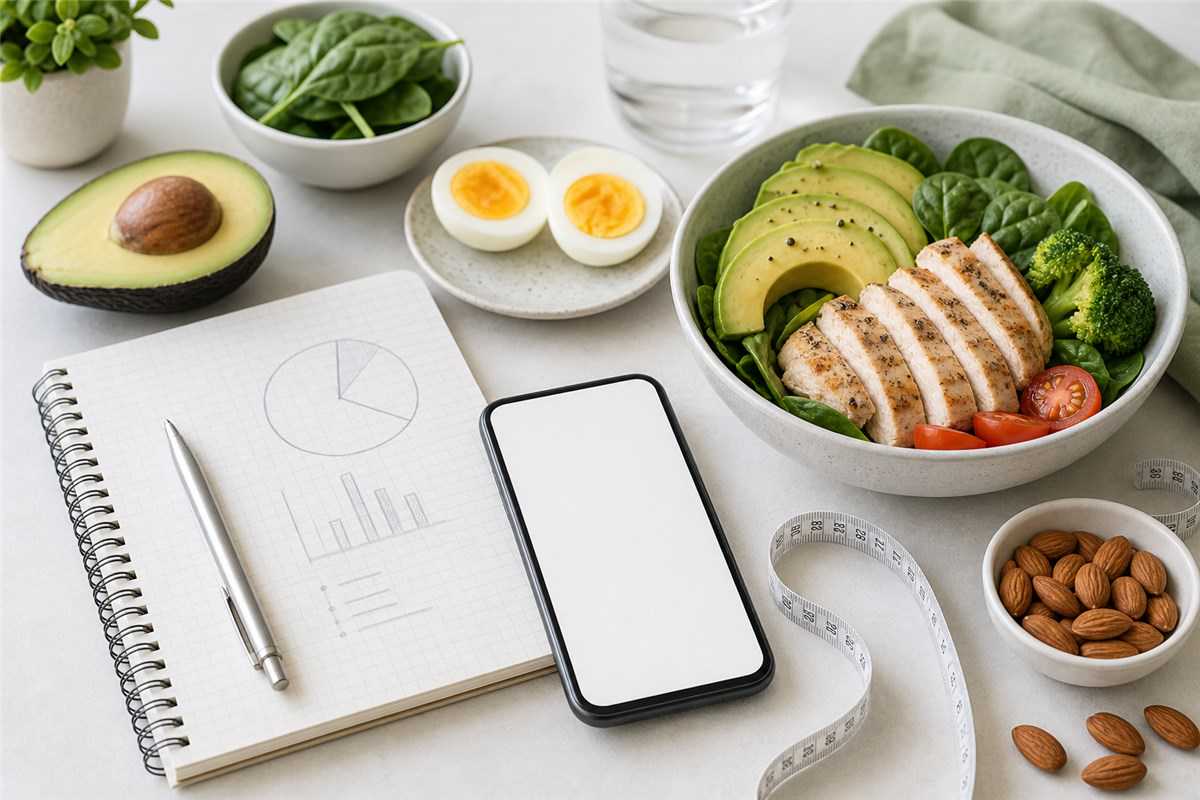
A keto macro calculator can be useful, but it is only a starting point. The real value comes from understanding what the numbers mean.
What keto macros measure
Macros are carbohydrates, protein, and fat. Keto usually emphasizes very low carbohydrates, adequate protein, and enough fat to make meals satisfying. Many beginners assume keto means unlimited fat, but fat still contains energy. The goal is to build meals that fit your target while supporting appetite and consistency.
Net carbs are often calculated by subtracting fiber from total carbohydrates. Some people also subtract certain sugar alcohols, but tolerance varies. If a packaged food causes cravings or digestive discomfort, the label math may not be the whole story.
Protein is not the enemy
Adequate protein helps preserve lean mass and makes meals filling. Beginners sometimes under-eat protein because they fear it will interfere with ketosis. In practice, a reasonable protein target is important for satiety and meal quality.
Protein sources like eggs, chicken, fish, beef, turkey, tofu, and Greek-style unsweetened yogurt can all fit keto when paired with low-carb sides.
How to use a calculator wisely
Enter accurate information, but do not treat the first result as permanent. Your activity, hunger, progress, sleep, stress, and medical context all matter. Use the number as a starting estimate and review it after a couple of weeks.
Track for learning, not punishment. A few days of tracking can reveal hidden carbs in sauces, drinks, nuts, and portions. Once you know your patterns, you may not need to track every meal forever.
Common tracking mistakes
The first mistake is ignoring serving size. A food may look low carb until you eat three servings. The second mistake is forgetting cooking oils, dressings, cream, and snacks. The third mistake is chasing perfect numbers while meals become less satisfying.
If tracking makes you anxious or rigid, step back and use simpler habits: avoid sugar and starches, choose protein at each meal, add low-carb vegetables, and keep snacks planned.
A practical macro mindset
The best macro target is one you can live with. If your plan looks perfect in an app but leaves you hungry, bored, or socially isolated, it needs adjustment. Use macros to guide choices, then build real meals from foods you enjoy.
Editorial note: This article is for general wellness and meal-planning information only. People with diabetes, kidney disease, pregnancy, a history of eating disorders, or anyone using glucose or blood-pressure medication should speak with a qualified clinician before making major diet changes.